Buffet vs. A la Carte: What’s Better for Your Event?
- Buffets offer variety, flexibility, and faster service—ideal for casual or really large events.
- A la carte dining is perfect for elegant events, with elevated plating, portion control, and greater formality.
- Your Food Fire + Knives chef can help you design the perfect experience—buffet or a la carte, or a mix of both.
From dinner parties with friends to parties for milestone celebrations, when you’re planning an event you’ll need to decide how to serve the food. Should you go with self-service or sit-down dining? Is buffet or a la carte the better deal? Each style has its own advantages and drawbacks, so let’s explore your choices.
Buffet vs. A la Carte: Understanding the Differences
If you’re new to hosting, it helps to learn about the basic ways meals are offered at gatherings. In general, chefs will ask you to choose between buffet or a la carte dining. Here’s a quick breakdown.
Buffets
While fans of Las Vegas might conjure visions of Sin City’s all-you-can-eat extravaganzas, not all buffets are exercises in excess. Presenting food in this way only indicates that dishes are arranged in a central location, and guests can serve themselves.
A la Carte
Dining a la Carte (French for “according to the menu”) means guests are served plated meals. Hosts typically preselect the items they wish to offer. Guests either choose in advance when they RSVP, or they can decide at the event.
Buffet vs. A la Carte: When Serving Yourself Works Best
In deciding if your event’s food should be served buffet or a la carte, buffet-style may come out on top for certain reasons, including:
Variety
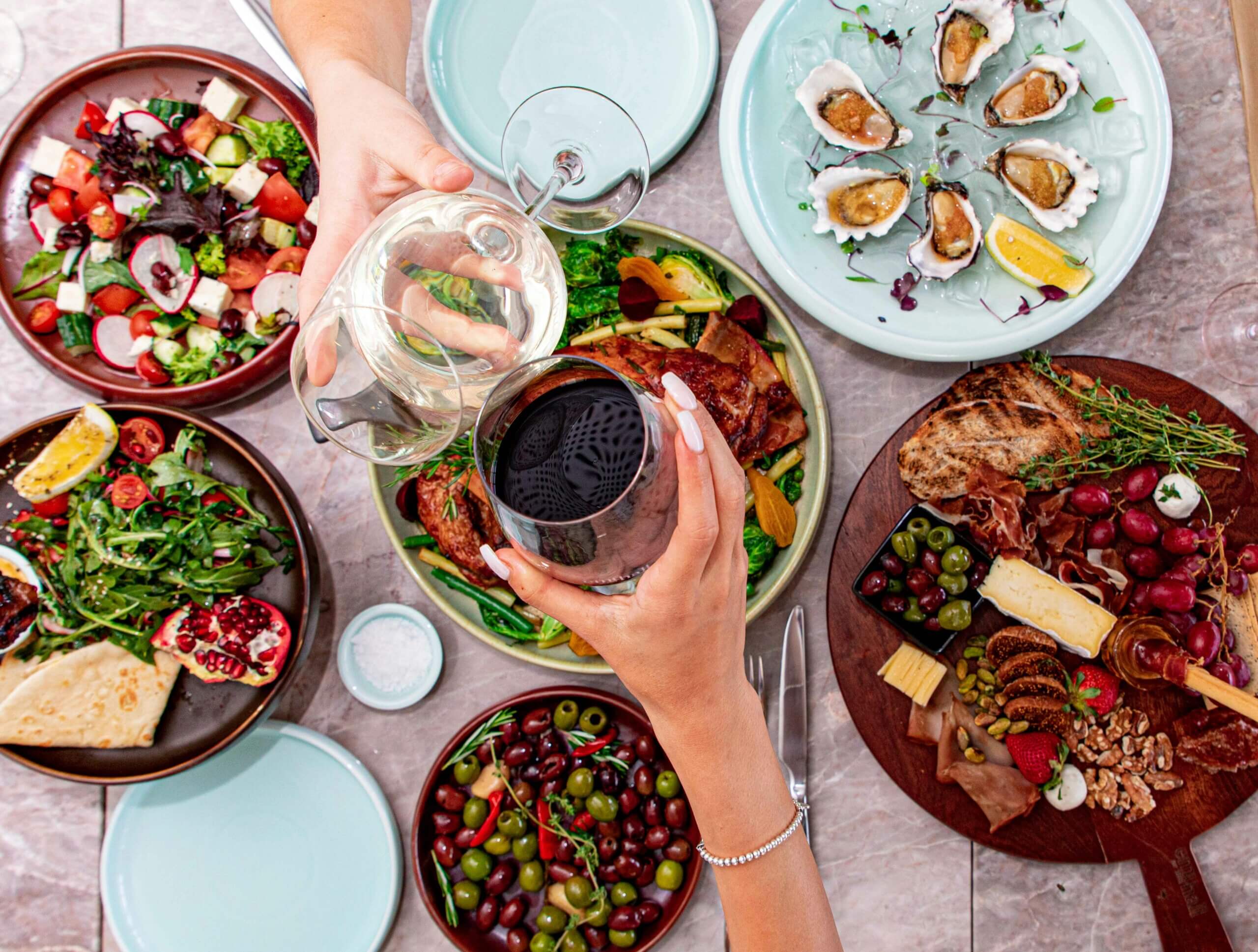
If you aren’t certain what foods your guests prefer, or if you want to give them the chance to sample a little bit of everything, you can’t beat the variety of a buffet. This is an especially good choice if you’re offering multi-cultural dishes—it's a comfortable way for guests to sample new flavors without feeling obligated to clean their plates.
Efficiency
With a large crowd, a spread often wins the buffet vs. a la carte debate because service moves a lot more quickly. Chefs and waitstaff won’t get in the weeds with plating and serving.
Visual Appeal
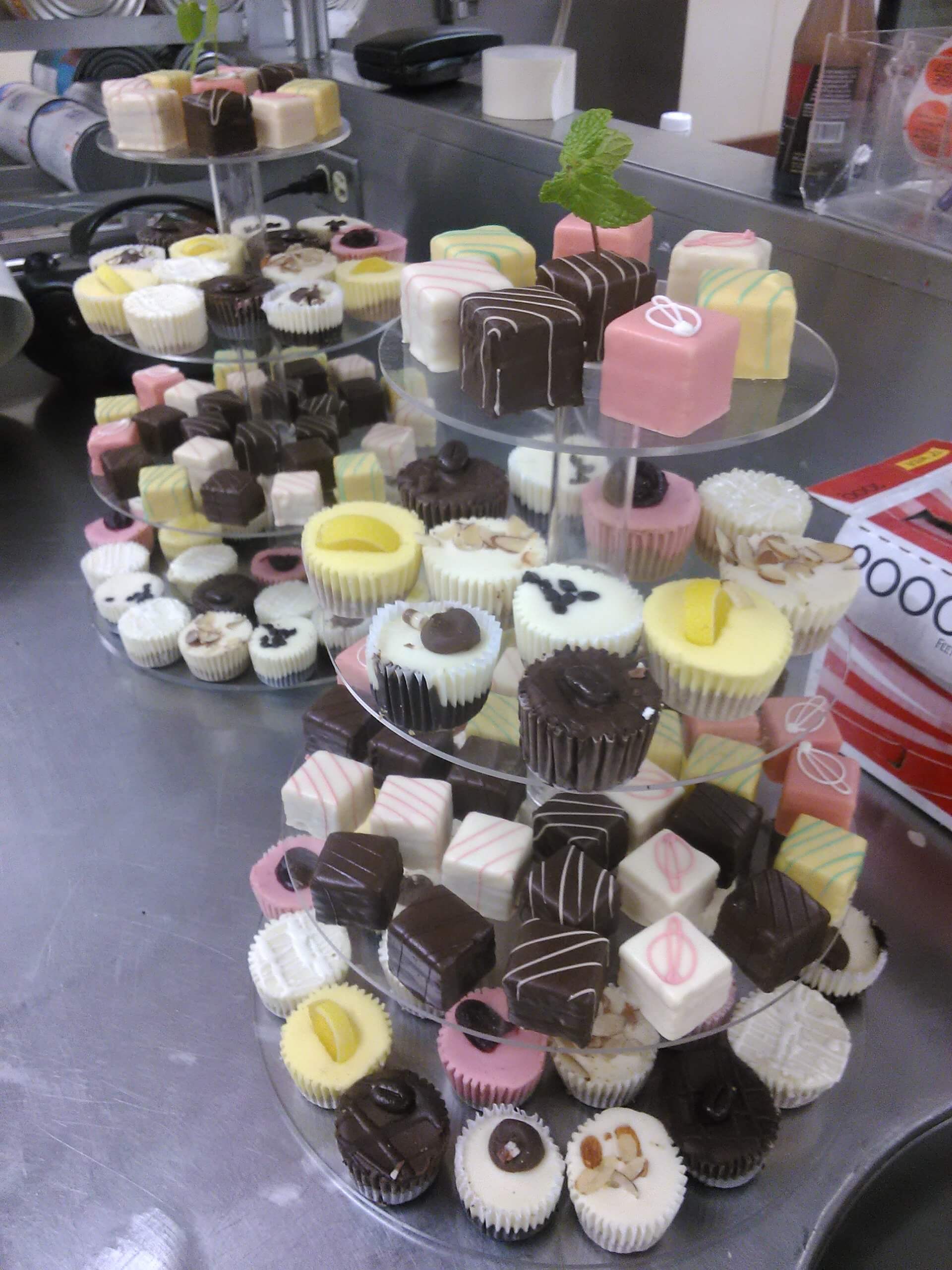
Buffets can be a real feast for the eyes. In that sense, they pull double duty as both food and an element of your decor.
Flexibility
One factor that comes down on the side of buffets (vs. a la carte dining) is managing dietary restrictions. As a host, you don’t have to worry about tracking and communicating special needs—ask your chef to prepare restriction-sensitive dishes, and your guests can select their own suitable options.
Buffet vs. A la Carte: When Plated Meals Make More Sense
There are many event situations in which a la carte is a wiser choice. You might pick this option if you prefer:
Elevated Presentation
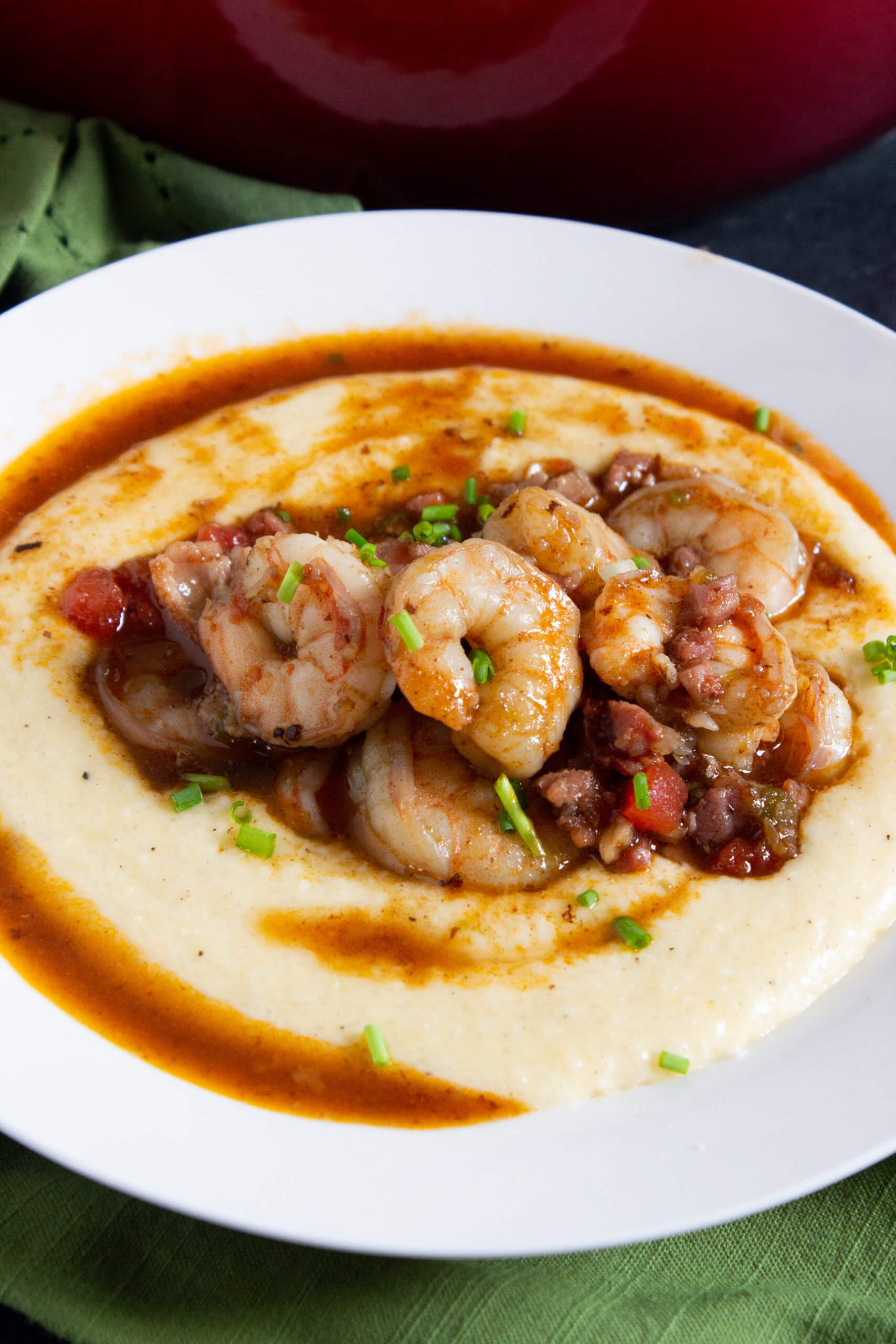
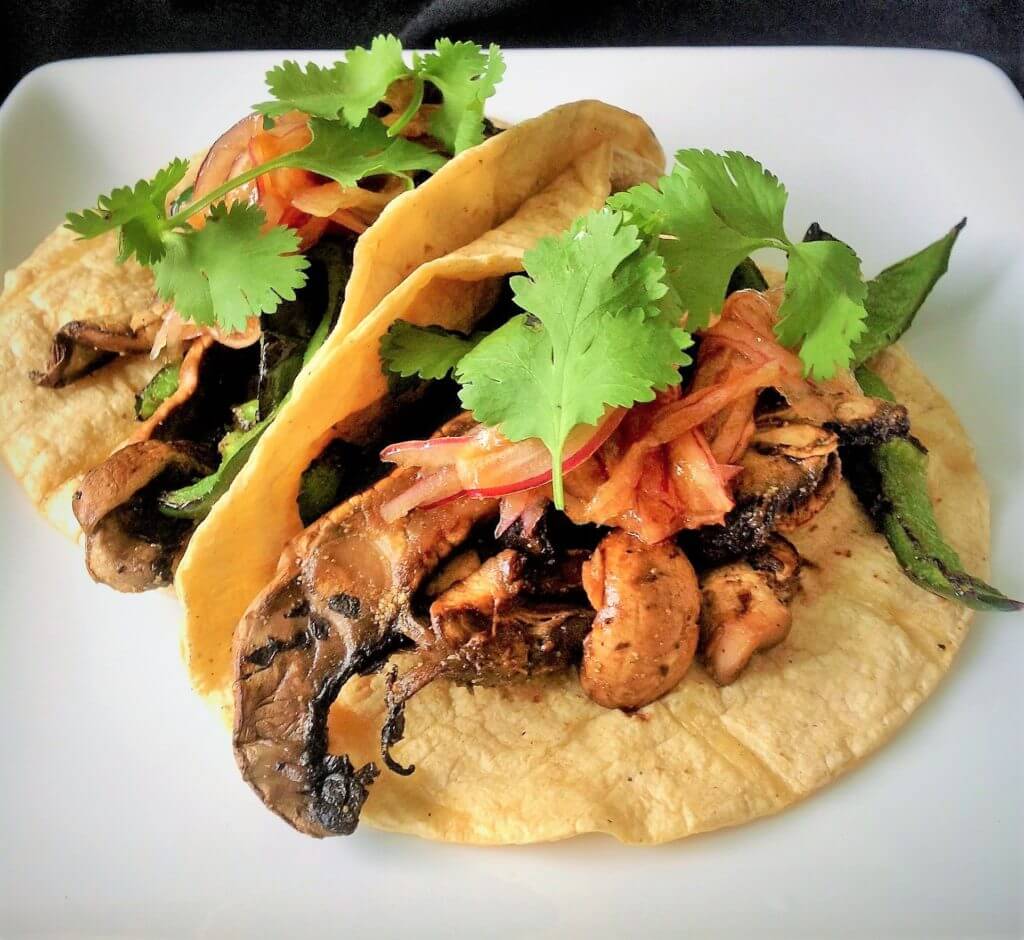
Beautiful plating enhances a dining experience. Prepared and styled dishes elevate the food presentation far more than a loaded buffet plate can.
Orderly Dining
Guests remain seated. If you’ve planned a meal in courses, they’ll be served in the structured sequence you intended.
Controlled Portions
Plated meals are served in specific portions. This reduces waste and ensures consistency.
Tailored Experiences
In choosing buffet vs. a la carte presentation, the dining experience feels more tailored with plated meals. And, if you learn dietary restrictions in advance, a la carte meals help ensure guests only receive appropriate choices.
Is Buffet or a la Carte the Better Deal?
To answer this question, it helps to explore some of the cons of buffet vs. a la carte dining.
Cons of Buffets
- Lines: Guests become frustrated with standing in line for their food. Lines can also disturb guests seated near serving areas.
- Food Waste: To keep buffet dishes full, more food than necessary is usually prepared. A lot can go to waste at the end of your event.
- Less Formality: If your event is high-end, a buffet can give off a casual vibe.
Cons of A la Carte
- Limited Choices: Although you can offer a few options, it’s not the same as the abundance of a buffet.
- Slower Pace: It takes longer to serve at tables. If you have a lot on your agenda, dining a la carte is slower.
- More Staff: It requires more servers and kitchen staff to provide a la carte meals, which can drive up the cost.
The Bottom Line on Cost
If you’re taking a strictly budgetary approach to deciding if buffet or a la carte is the better deal, it often comes down to what you’re serving. For instance, a gourmet seafood buffet laid out for guests will probably run more than plated pasta dishes.
FAQs Buffet vs. A la Carte
My guest list might grow. Should I choose buffet or a la carte?
In general, buffet-style service is a better option. It’s easier to scale up the quantity of items in a buffet spread than to rework the logistics of serving more plated dishes.
Does it have to be buffet or a la carte, or can my meal be a hybrid?
You can definitely mix both! For instance, you could present appetizers and desserts as a buffet, while serving plated main courses.
Does the type of event make a difference?
At formal events where elegance is a factor, plated meals are more luxurious. They’re also better if there are guest speakers, so people aren’t milling around getting food during presentations.
Buffets are great for more casual gatherings. They encourage interaction and mingling, adding a level of sociability.
Final Thoughts: Buffet vs. A la Carte
These tips should help you decide whether buffet or a la carte service is best for your next event. If you still need guidance, remember that the chefs from Food Fire + Knives are experienced event professionals who craft unforgettable dining experiences no matter what option you choose.