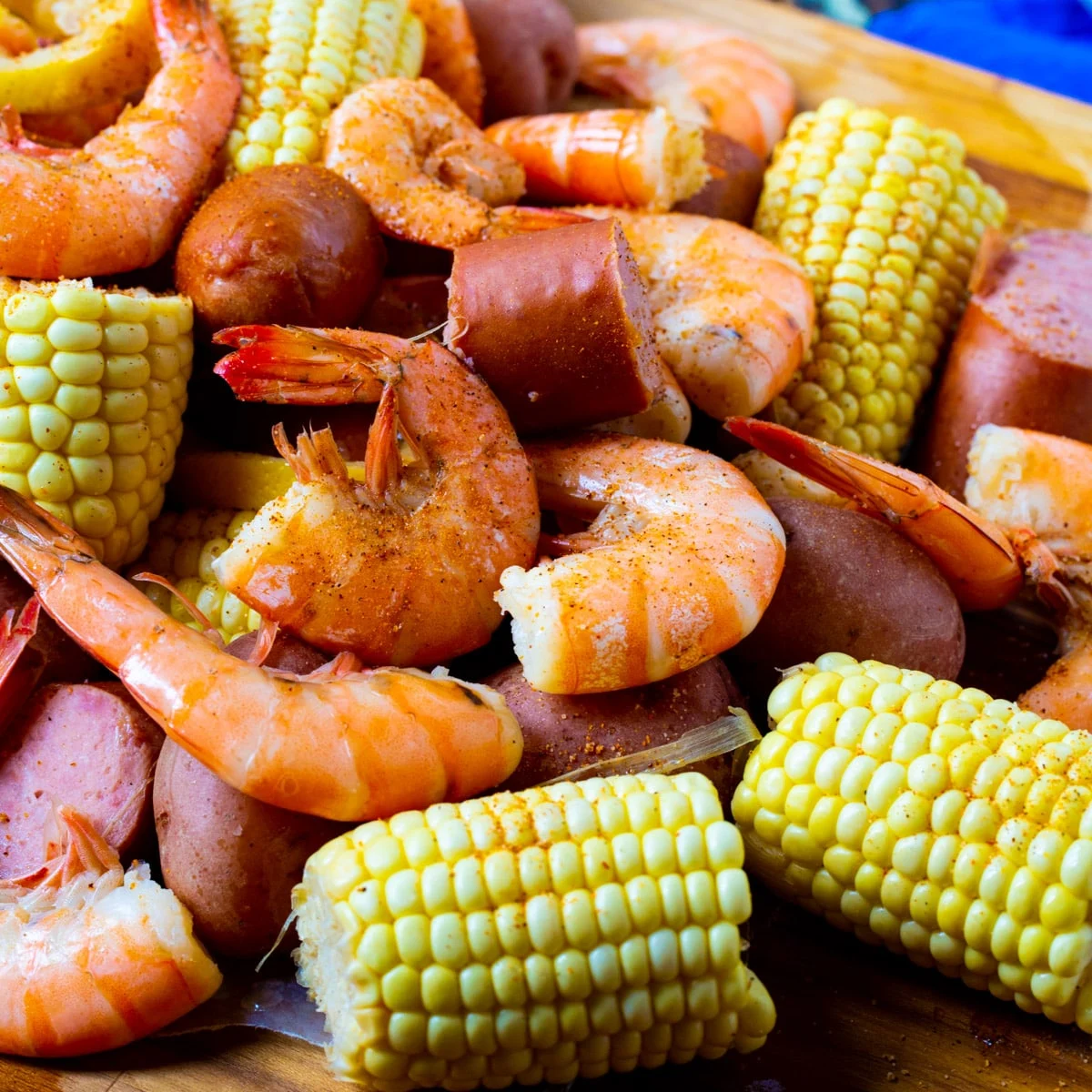
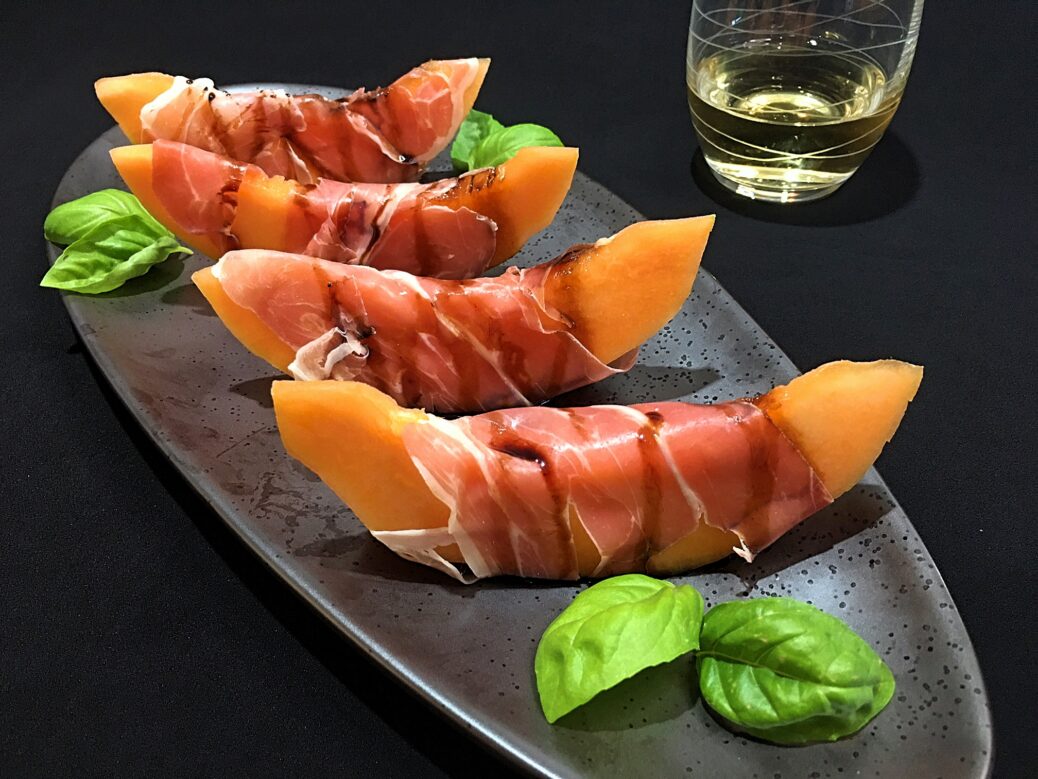
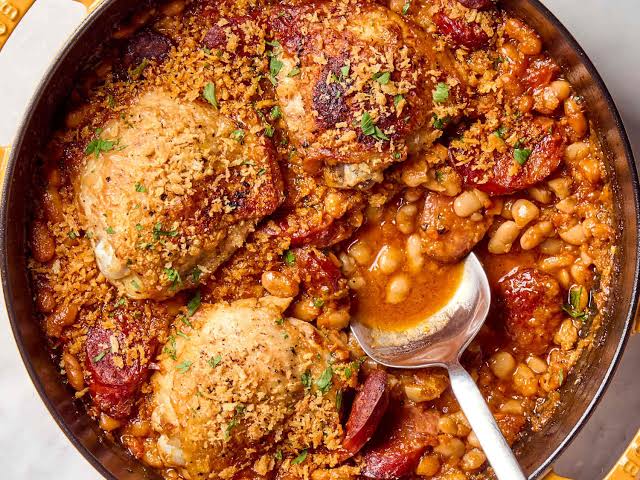
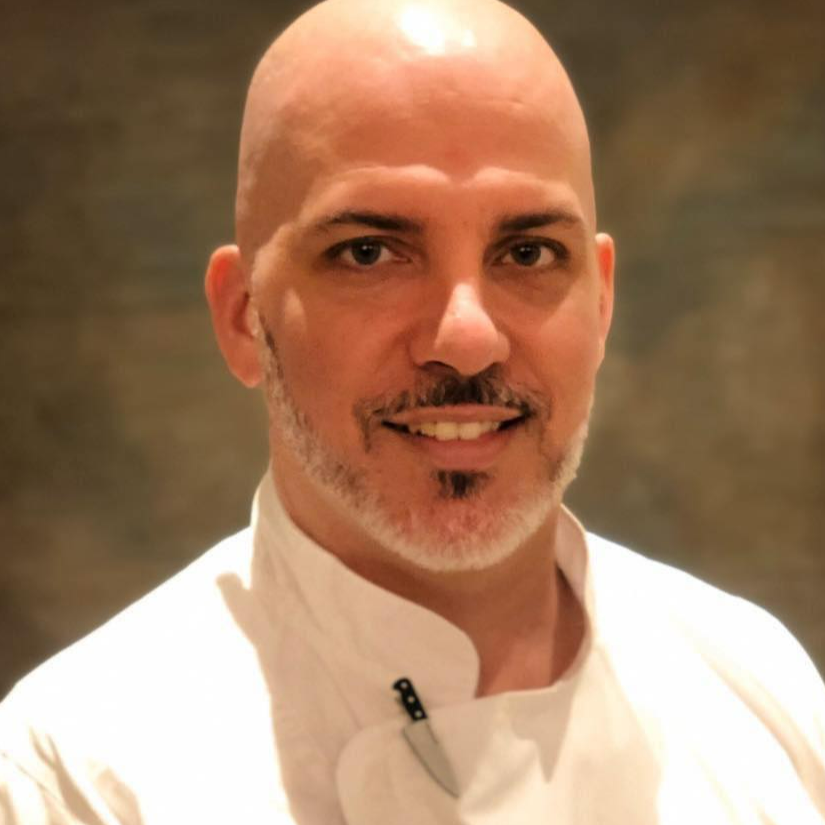
Chef Jackson learned to cook the way a lot of Southern cooks do: in a South Georgia kitchen, in a big family, where dinner was never for four people and nobody measured anything. That is still the center of how he cooks. Every kitchen since has added something to it, and he has kept what was worth keeping and made it his own, without ever getting too clever with a classic.
He started in Atlanta, trained in culinary school under Master Chef Darryl Shular and then worked his way through a run of restaurants before landing his first fine dining job at Roy's Hawaiian Fusion, where he learned what it means to hold a line to a standard, plate after plate. From there he went back down to Savannah and Statesboro, opened a fine dining restaurant of his own, and served as executive chef at Georgia Southern, cooking at a scale that leaves no room for guessing.
Then came The Hamptons, coming up under Chef James Gee across Cittanuova, East Hampton Point, and The 1770 House, three very different restaurants under one corporate umbrella, which meant cooking a casual Italian lunch and a formal tasting menu in the same week. It is also where he picked up the parts of the business nobody teaches in culinary school: running a bar program, planning events, even directing social media, because in a small operation everybody wears a few hats.
After that he traded the coast for altitude as executive chef of Giuseppe's and Bon Vivant at Telluride Ski and Golf Resort. Cooking on a mountain comes with its own logistics: on-slope dining, weather nobody can control, and a season that ends whether the snow does or not. He was the featured chef for the Washington Pear Growers' Dinner, and one winter his food was featured on the Today Show.
Next was South Beach, and a call to help open The Bazaar by José Andrés. Working in one of his kitchens rearranges a cook's head. Andrés treats a dish as a question instead of a recipe: a tomato can arrive as a sphere, a cocktail can arrive as air, a classic Spanish tapa can be taken apart down to the studs and rebuilt in a form nobody has seen. None of it is a trick for its own sake. Every bit of it traces back to tradition and to an almost stubborn respect for the ingredient, which is the part most people miss.
Along the way he has staged in Michelin kitchens, consulted on more than a dozen restaurant openings around the country, and mentored plenty of cooks who have gone on to run kitchens of their own. These days all of it shows up in a smaller room: private dinners, events, and menus built around whoever is sitting at the table, cooked with the same seriousness he would bring to any dining room he has ever run, and with that South Georgia kitchen still somewhere in the background.



 Preferred Chef